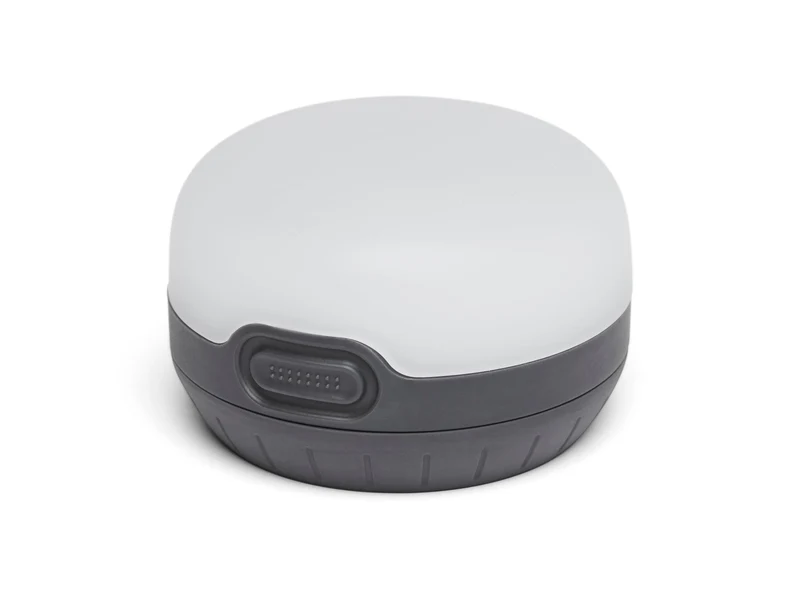
Black Diamond Moji Lantern
A small shared light with a replaceable-battery option.

Start your power outage kit checklist with light, charged phone backup, safe water, ready-to-eat food, official alerts and a plan for individual medical needs. Check what you already own before buying a station. This hub separates everyday supplies from appliances that need a verified backup-power plan.
We may earn a commission when you buy through our links. As an Amazon Associate I earn from qualifying purchases. Affiliate disclosure
Research-based, not lab-tested. Read our research method and match the documented requirements to your household before purchasing.
This is research-based, not lab-tested. The checklist below is printable from your browser; there is no separate PDF download. Mark each item owned, missing or unnecessary for your household. Check batteries, cable fit and access to supplies during normal conditions. An equipment purchase does not replace local instructions or an assistance plan.
A general household outage kit overlaps with a 72-hour kit, but adds load calculations, food-temperature decisions and a plan for restoring or replacing power. A station is optional. It becomes useful when you have an appliance job it can support.
| Gap you find | Next step |
|---|---|
| Phone loses charge | Compare emergency batteries and crank alternatives |
| Rooms or tasks need light | Compare lanterns and headlamps |
| Refrigerator needs backup | Check running load, startup and energy use |
| Station capacity is unclear | Use the static house sizing worksheet |
| CPAP needs a backup plan | Check supplier questions and medical limits |
| Stored water is missing | Choose suitable storage containers |
| A cold-weather outage is possible | Add the winter outage plan |
A shared lantern such as the Black Diamond Moji is a candidate when you need light without using the station’s stored energy. Confirm its battery requirements and keep matching spares. For hands-free work, check the headlamp guide instead. You may already own suitable lighting.
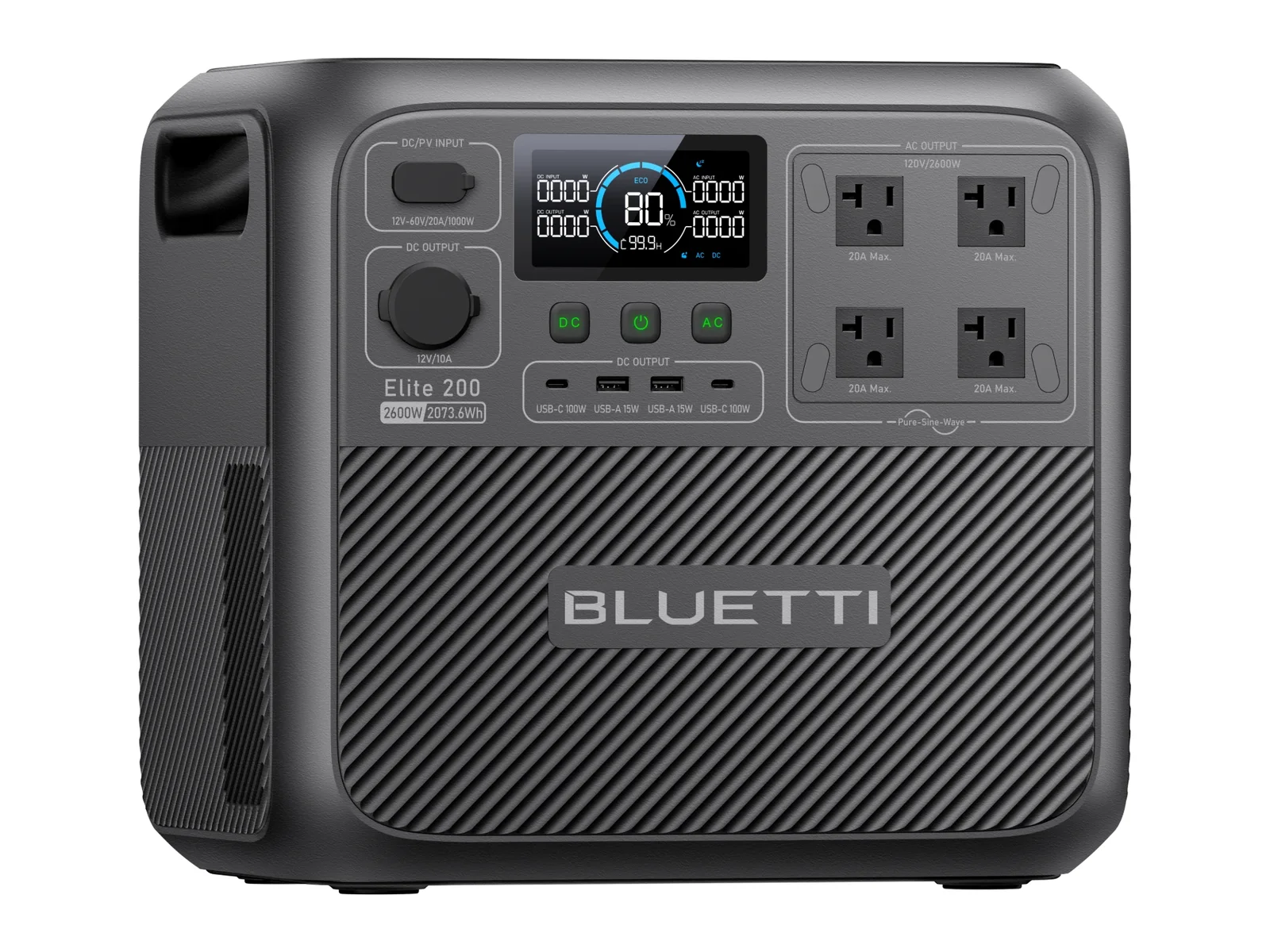
BLUETTI’s Elite 200 V2 is a candidate for a stationary, selected-appliance plan after your calculations. The manufacturer lists 2,073.6Wh and 2,600W output at 120V. These figures do not establish refrigerator startup, medical compatibility or a whole-home connection. Its 53.4 lb carrying weight also matters if your plan involves stairs or leaving home.
Use the Amazon or approved BLUETTI buttons below only after checking model, seller, bundle and purchase terms. Other manufacturer links in Sources are editorial references. We show no Amazon price or promised savings.
Keep refrigerator and freezer doors closed during an outage. FoodSafety.gov explains the four-hour refrigerator window without power and gives item-specific discard guidance. Use its chart and temperatures; reconnecting power does not make previously unsafe food safe.
For medical devices, work through the FDA outage booklet with your healthcare provider and supplier. Record contacts, allowed backup arrangements and where to obtain help. Do not rely on a consumer battery estimate or change treatment to conserve energy.
Follow the CDC’s carbon monoxide guidance: use fuel generators outdoors, more than 20 feet from windows, doors and vents. Keep working CO detectors with battery backup. Do not use grills or fuel-burning camping equipment indoors for heat or cooking.
A station powers appliances through appropriate outputs; it is not permission to feed the house through a wall outlet. Have a qualified electrician assess any house-circuit connection. Follow evacuation and local utility instructions if staying home is unsafe.
Keep the kit accessible and review labels and replacement schedules. Recheck it after using supplies, changing phones or medical equipment, adding a household member or moving. Follow manufacturer storage and charging instructions rather than treating a charged battery as a permanent reserve.
No. Light, safe water, food, information and individual assistance plans come first. Buy a station only for a documented job that fits its limits.
No. Adapt supplies, energy and the safe-place plan to your household and local risks. A battery without a replenishment plan is a finite reserve.
No. The image identifies the pictured product. Confirm exact device requirements, connections and the recharge plan independently before relying on the setup.
Updated Oct 14, 2026: added a clearer planning sequence and improved the checklist so you can identify supply gaps before choosing equipment.
18 items · tick them off as you pack. Checkmarks are not saved or sent, so print your list before you leave the page.
A small shared light with a replaceable-battery option.
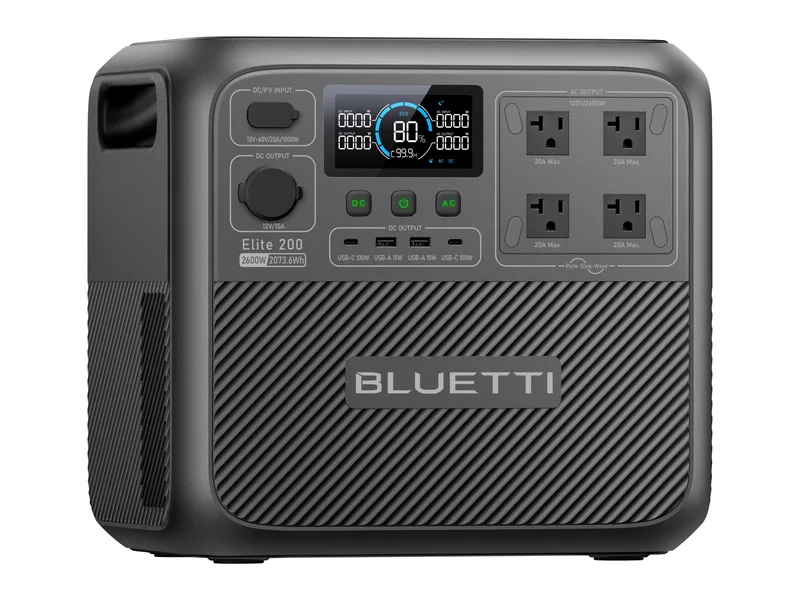
Enough battery for a real outage night, still liftable by one adult.
Image credits: Black Diamond Moji Lantern — Black Diamond · BLUETTI Elite 200 V2 — BLUETTI.
