
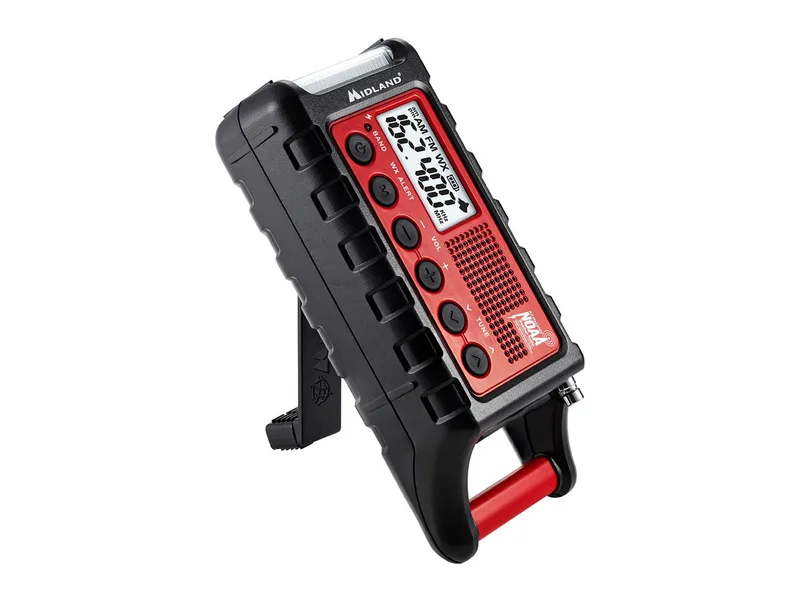
Midland ER310 Emergency Crank Weather Radio
NOAA alerts, AM/FM, a flashlight and a phone charger that you can crank.
Prepare dry layers, bedding, drinking water, light and a charged radio. Choose a warmer place you can reach if staying home becomes unsafe. A small power station belongs in the phone-and-light plan, not the heating plan.
We may earn a commission when you buy through our links. As an Amazon Associate I earn from qualifying purchases. Affiliate disclosure
Write down a warmer destination, who can help you get there and the conditions that would make leaving necessary. Put the supplies you need in a predictable location and tell the household where they are. Check batteries and alarms before losing light or heat makes the task harder.
| Prepare now | Decide before the outage |
|---|---|
| Dry clothing and bedding | What each person needs, including children, older adults and pets. |
| Drinking water and usable food | Where it is stored and how to access it without power. |
| Light, phones and broadcast information | Which devices are charged and who will check official instructions. |
| Safe destination and transport | Who needs help leaving and how to obtain current road information. |
Use the household kit to gather supplies and the winter car checklist to review the travel part of the plan. These checklists do not establish that a particular journey or house is safe.
Gather dry layers, blankets and the items your household needs before an outage. Keep light, drinking water, phones and a receiver somewhere you can find without searching in the dark. The National Weather Service advises layers and dry clothing in cold conditions.
Gather supplies in a room your household can use while preparing to leave. Reassess conditions as the house cools; gathering in one room does not establish that it is safe to stay. Include children, older adults, pets and individual medical needs in the plan.
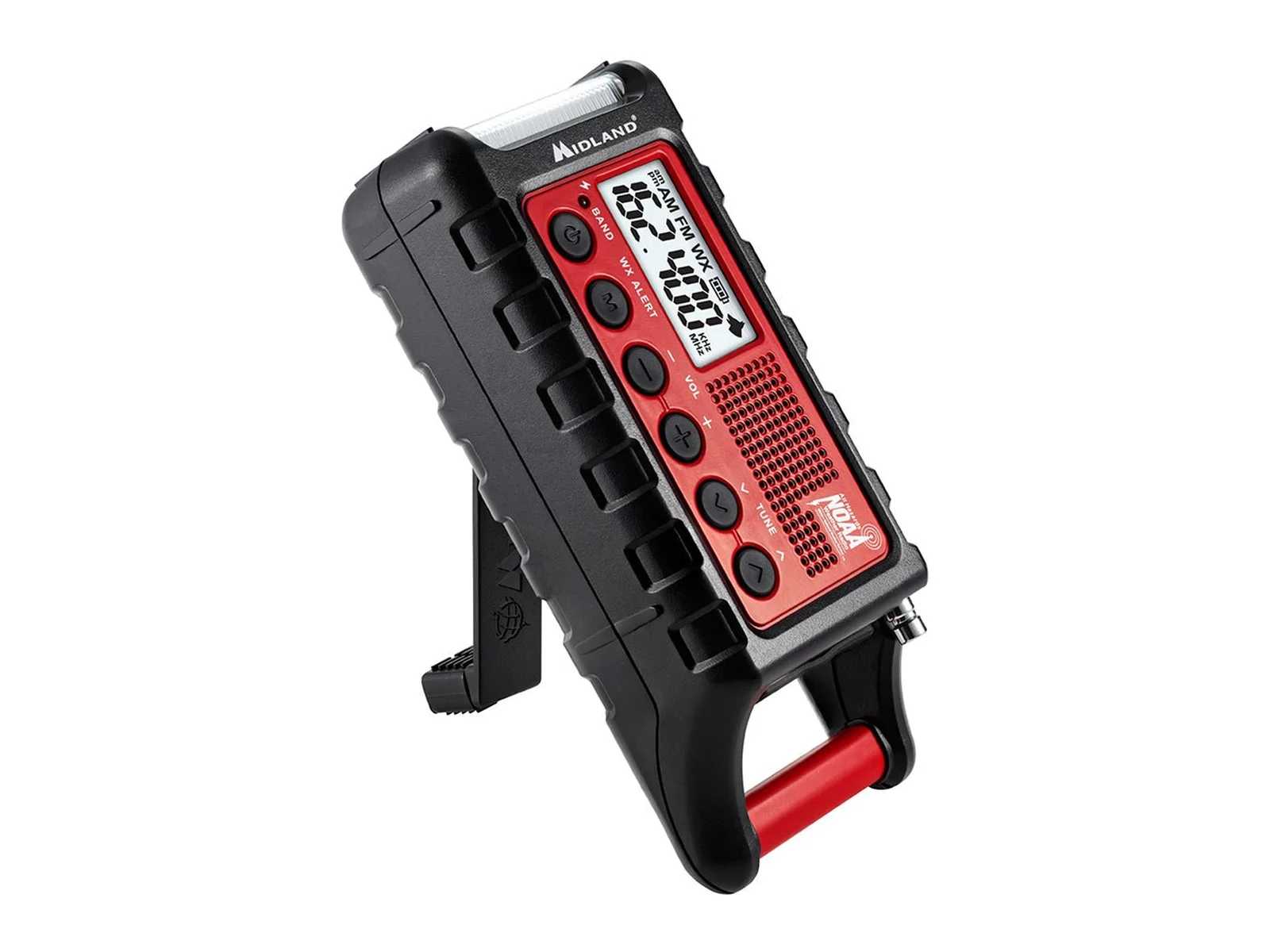
Use a shared light and a headlamp for different tasks. Keep the ER310 receiver charged for broadcast information. A phone and a local contact remain part of the plan too.
Do not use a grill or portable generator indoors or in a garage. Follow CPSC carbon-monoxide guidance, maintain working alarms and follow the instructions for any heating appliance. Opening a window does not make indoor use of outdoor equipment safe.
If a carbon-monoxide alarm sounds or you suspect exposure, get outside to fresh air and call emergency services. Follow the CPSC guidance linked above. Choose a warmer location when you cannot establish safe heating at home.
A compact EcoFlow RIVER 3 Plus is a small-device candidate; its output rating does not establish hours of room heating. Our role for that compact battery is small-device backup, not a promise to keep a house warm. Read the power-station guide before selecting a battery.
Identify a reachable warmer place and how to get there before bad weather. Follow local authorities’ instructions and plan for the people whose health may make waiting unsafe.
Do not wait for a battery to reach zero before revisiting the plan. Temperature, health, road conditions and official instructions matter more than finishing an outage at home.
If someone has possible cold-related illness, seek urgent help. NWS guidance treats hypothermia as a serious emergency. Seek urgent help rather than waiting for the power to return. There is no universal indoor-temperature cutoff in this checklist.
Do not assume it can provide dependable room heating. Start with dry clothing, bedding, safe heating instructions and a warmer destination. Use the buying checklist to separate essential small-device loads from heating demands.
No. Reassess temperature, health and local instructions. A checklist cannot supply a universal indoor-temperature cutoff for every household.
Those are different functions. Review weather radio versus two-way radio and keep phone contacts and a meeting plan available as well.
NOAA alerts, AM/FM, a flashlight and a phone charger that you can crank.
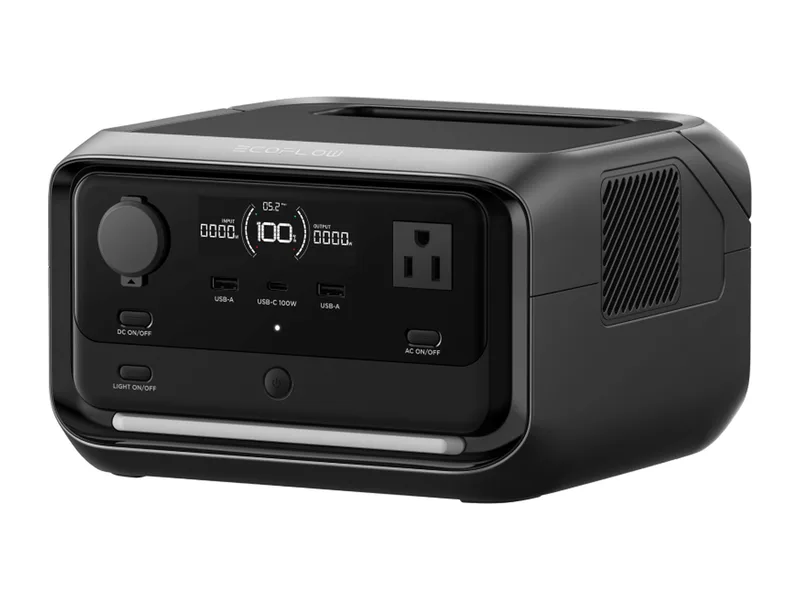
Keeps the router, phone and laptop running. Doubles as a UPS.
Image credits: Midland ER310 Emergency Crank Weather Radio — Midland · EcoFlow RIVER 3 Plus — EcoFlow.