
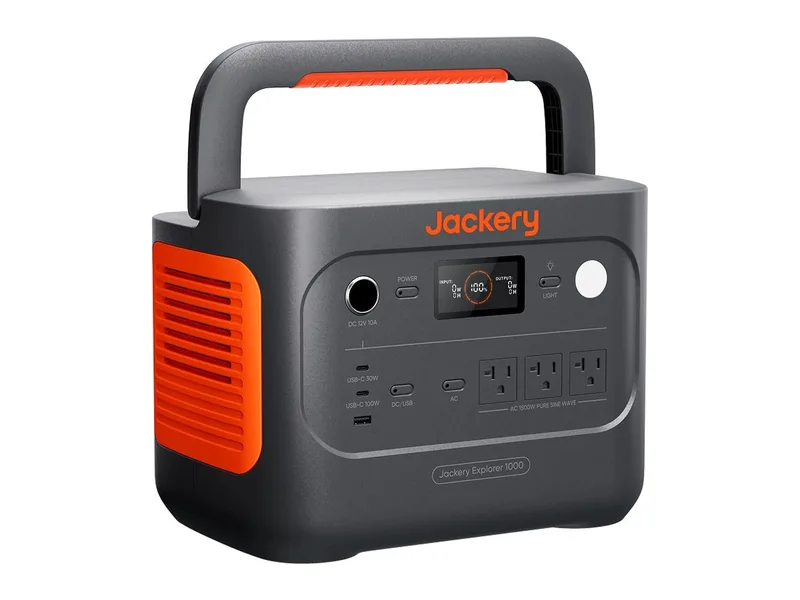
Jackery Explorer 1000 v2
The fridge-and-phones station. Small enough to live in a closet.
A fuel generator can keep producing electricity while safely operated and supplied with fuel. A portable power station spends stored energy and needs recharging. Safe placement and a replenishment plan decide which is practical for your home.
We may earn a commission when you buy through our links. As an Amazon Associate I earn from qualifying purchases. Affiliate disclosure
If you cannot establish a suitable outdoor location, do not solve that problem by running a generator in a garage, on an enclosed porch or near an opening. CPSC says to operate portable generators outdoors at least 20 feet from homes and buildings, with exhaust away from windows, doors and vents. Open doors or windows do not make an enclosed location safe.
Working carbon-monoxide alarms and manufacturer precautions are essential; they do not turn a prohibited location into an acceptable one. If you lack a safe operating and fuel-storage plan, a generator is not the right purchase for that setting.
| Decision | Fuel generator | Portable power station |
|---|---|---|
| Where it operates | Outdoors with safe exhaust separation and weather precautions. | According to the battery unit’s manual, including ventilation and temperature limits. |
| What keeps it running | Suitable fuel and safe operation/refueling procedures. | Stored energy, followed by a compatible recharge source. |
| What starts a load | The particular generator’s output and startup capability. | The inverter’s continuous output and startup capability. |
| What ends the plan | Unsafe conditions, fuel or maintenance problems, or load limits. | Battery depletion, load limits or inability to recharge. |
| Circuit connection | Appropriate equipment and qualified installation advice. | Also a separate connection/install decision, not permission to backfeed. |
A battery does not produce engine exhaust, but it is not hazard-free. Follow its ventilation, moisture and temperature instructions. A solar panel’s rated output is not a promise of dependable winter replenishment.
Separate refrigerator, communications and lighting from heating and other large loads. Write down each appliance’s electrical requirements before comparing models. For a refrigerator, use our appliance-first checklist; for keeping the household safe, use the winter outage plan.
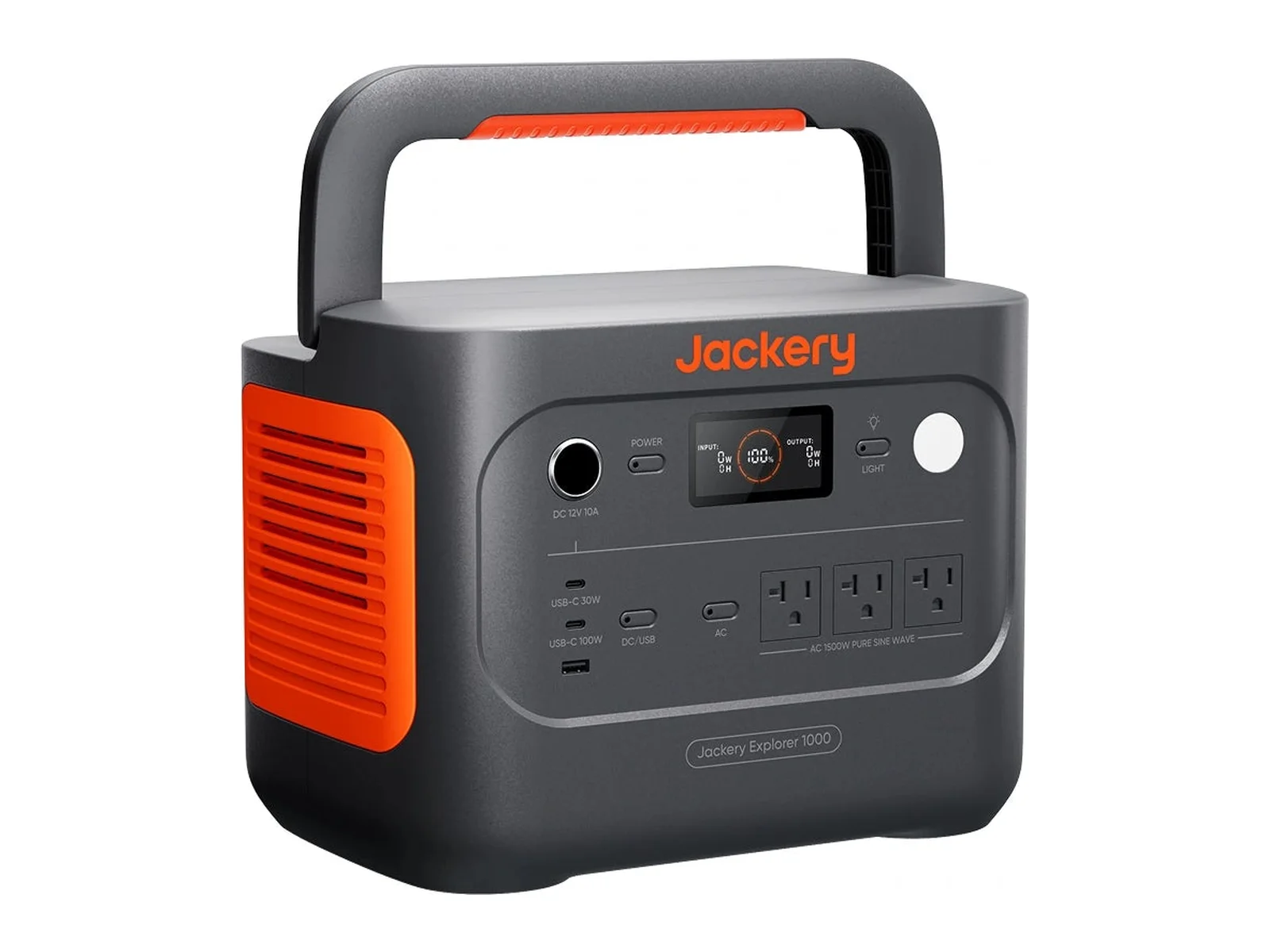
A compact EcoFlow RIVER 3 Plus is a candidate for small-device backup rather than a heating plan. The Jackery Explorer 1000 v2 is a different battery candidate when its documented output and energy fit the task. Our power-station guide gives their specific roles and limits. This comparison does not recommend a particular fuel generator: we have not established a model-specific pick for that category.
Some households may use a battery and a safely operated generator together. That requires verifying the charging connection and instructions for both devices. Do not assume any generator and charger are compatible just because the plug appears to fit.
In shopping language, it often means a battery power station bundled with panels. Check exactly which battery, panels and cables are included. It is not an engine that produces unlimited electricity.
Do not backfeed a house through an outlet. Ask a qualified professional about an appropriate transfer arrangement for the equipment and circuits. This article is a buying comparison, not an electrical installation guide.
The fridge-and-phones station. Small enough to live in a closet.
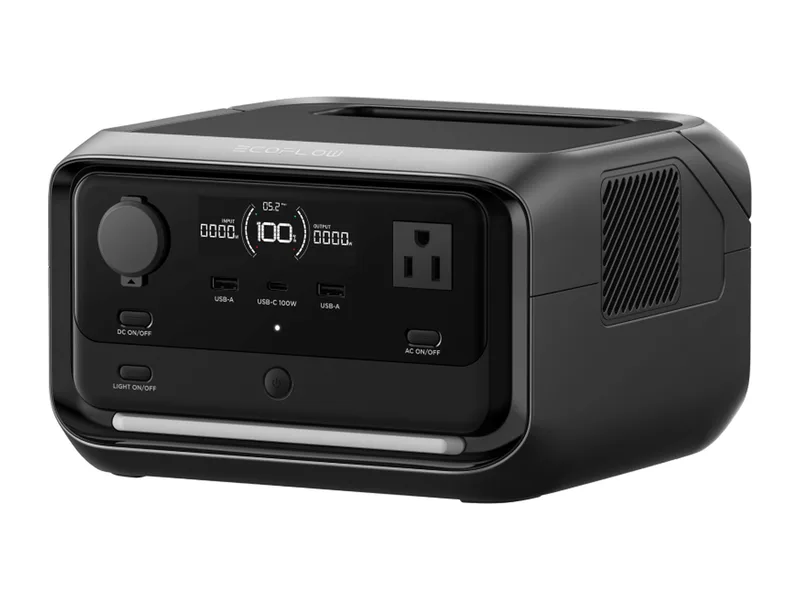
Keeps the router, phone and laptop running. Doubles as a UPS.
Image credits: Jackery Explorer 1000 v2 — Jackery · EcoFlow RIVER 3 Plus — EcoFlow.