
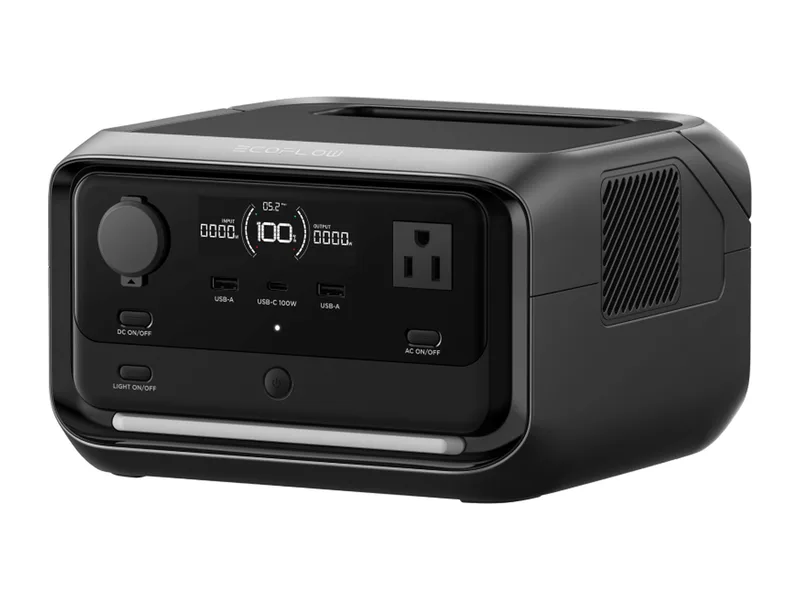
EcoFlow RIVER 3 Plus
Keeps the router, phone and laptop running. Doubles as a UPS.
Match the panel's voltage, current, polarity and cable to the exact power station's input limits. A connector that fits is only the first check. Buy a panel after you can confirm the connection in the manufacturer's documentation.
We may earn a commission when you buy through our links. As an Amazon Associate I earn from qualifying purchases. Affiliate disclosure
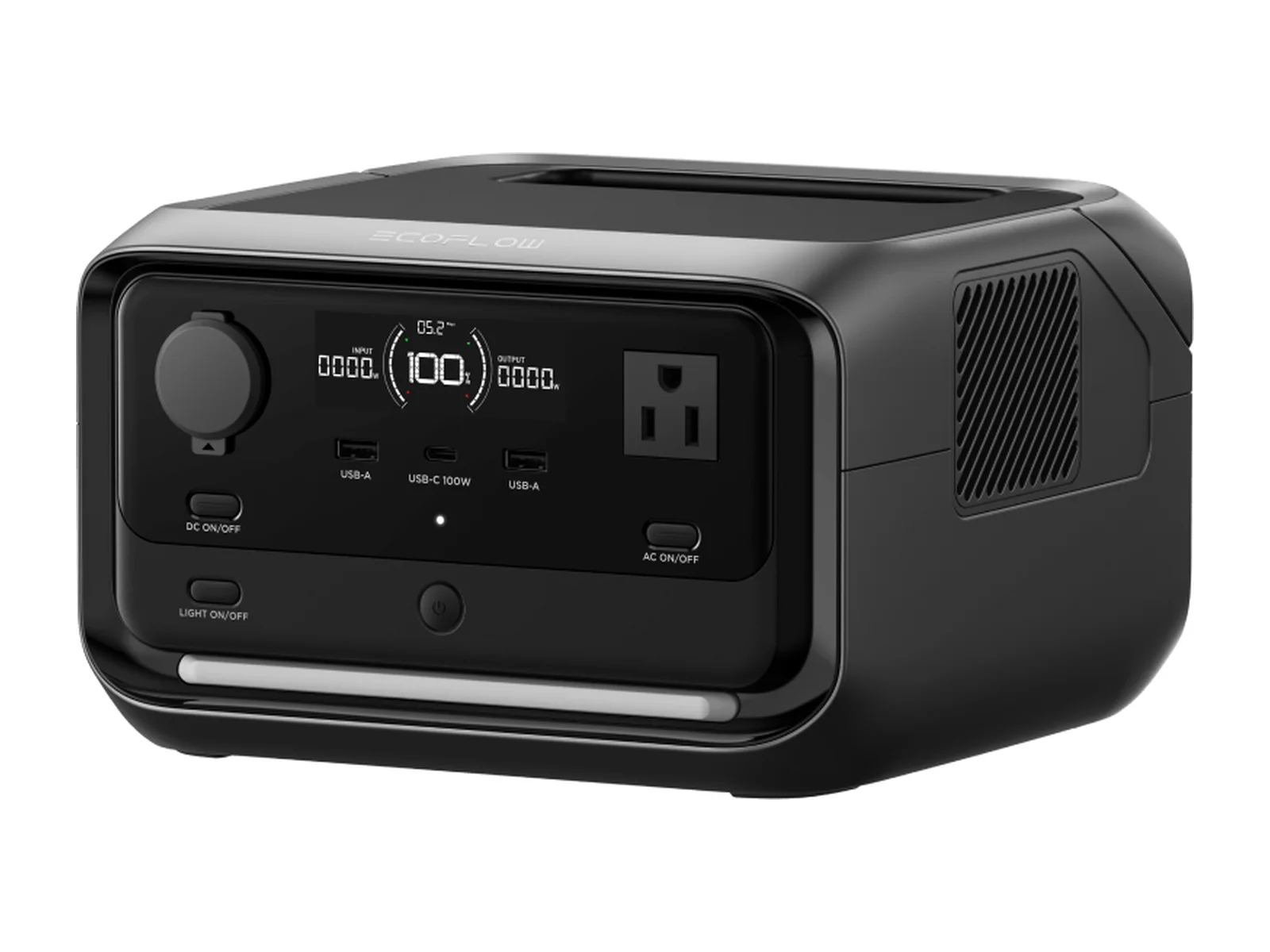
Read the current manual for the exact station and panel. Compare the station’s allowable input voltage and current with the panel specifications, including open-circuit voltage. Then check the connector, polarity and approved cable. Physical connector fit alone does not establish compatibility.
EcoFlow’s DELTA Pro 3 page distinguishes high-voltage and low-voltage PV inputs with different limits. Do not treat two sockets on the same station as interchangeable. For a proposed panel combination, confirm the manufacturer’s instructions rather than improvising wiring.
The product cards are examples of receiving power stations, not matched panel bundles. No panel-and-station pairing is recommended here without matching documentation. If it is unclear, ask the manufacturer before buying.
EcoFlow lists up to 220W solar input for the RIVER 3 Plus. That is an input specification, not a promise that any panel will deliver that power every hour.
Panel nameplate power and a station’s input limit answer different questions. Weather, shading, panel placement and the charging system affect what reaches the battery. EcoFlow explicitly qualifies maximum solar input figures on the DELTA Pro 3 page.
Do not estimate a recharge time by dividing battery capacity by a panel’s advertised wattage and calling it guaranteed. Build the outage plan around other charging options too. Solar is useful when conditions and the equipment match.
Choose a portable panel when packing and moving it are part of the job. Check its actual deployed size, supports, cable and storage requirements. EcoFlow’s 110W panel page is an example of the documentation to inspect, not a universal compatibility recommendation.
A fixed installation is a different project. Use qualified help, the manufacturer’s instructions and applicable local requirements for permanent wiring or a connection to household circuits.
Choose the station first. Confirm a documented panel connection, then compare panel power and portability. Pass on a panel whose electrical limits or cable requirements you cannot establish.
Keeps the router, phone and laptop running. Doubles as a UPS.
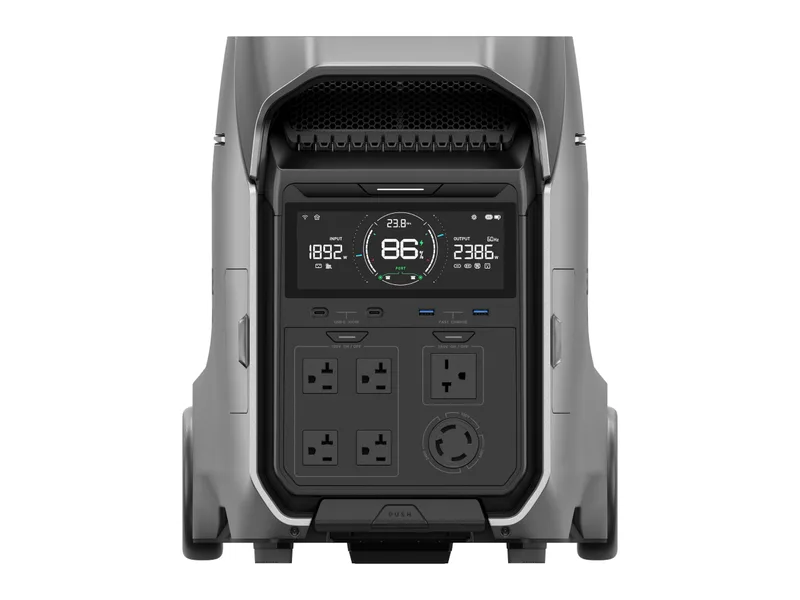
A battery you build a backup plan around. 120/240V, and room to grow.
Image credits: EcoFlow RIVER 3 Plus — EcoFlow · EcoFlow DELTA Pro 3 — EcoFlow.