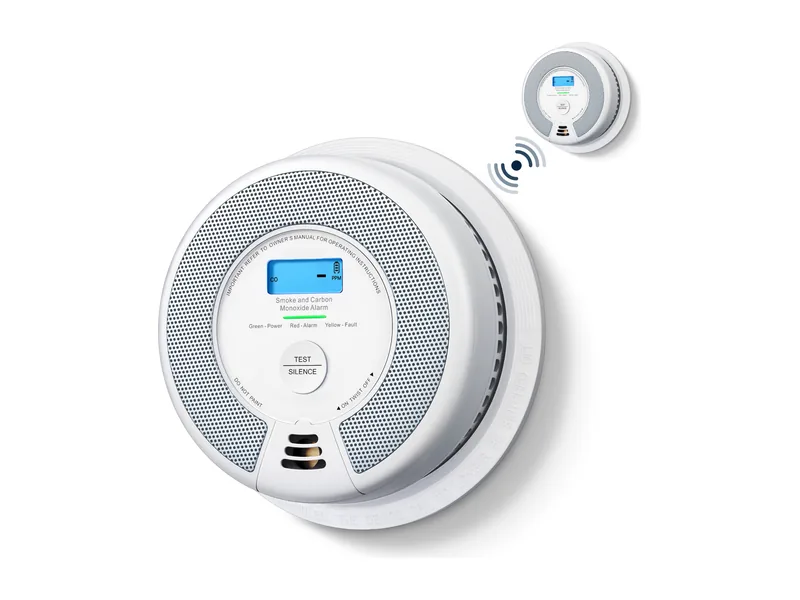
X-Sense SC07-W
Best for: Battery-powered homes where compatible alarms sound together.
- 10-year sealed battery
- Up to 18 linked alarms
- No Wi-Fi needed

Place smoke alarms in every bedroom, outside sleeping areas and on every level; CO alarms belong outside sleeping areas and on every level. Use battery power or backup during outages. For safe heat, follow CPSC’s wall-outlet, three-foot-clearance and switch-off-before-sleep rules.
We may earn a commission when you buy through our links. As an Amazon Associate I earn from qualifying purchases. Affiliate disclosure
Match the alarm to your home, then use the placement checklist.
Best for: Battery-powered homes where compatible alarms sound together.
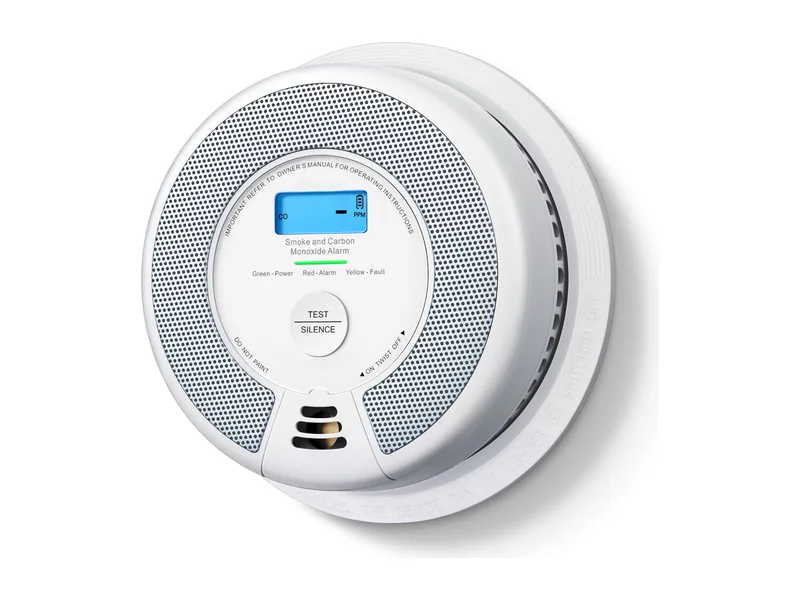
Best for: One room or a small apartment needing an independent alarm.
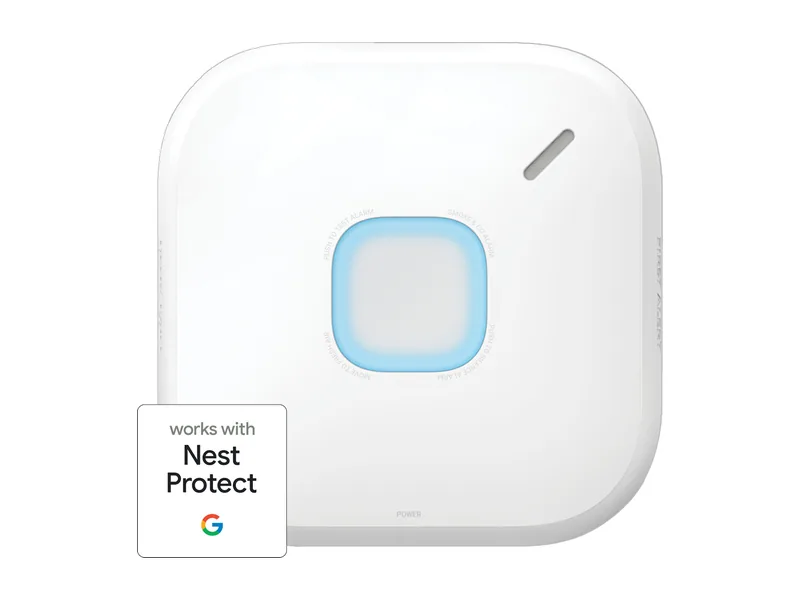
Best for: Existing compatible hardwired or Nest Protect homes.
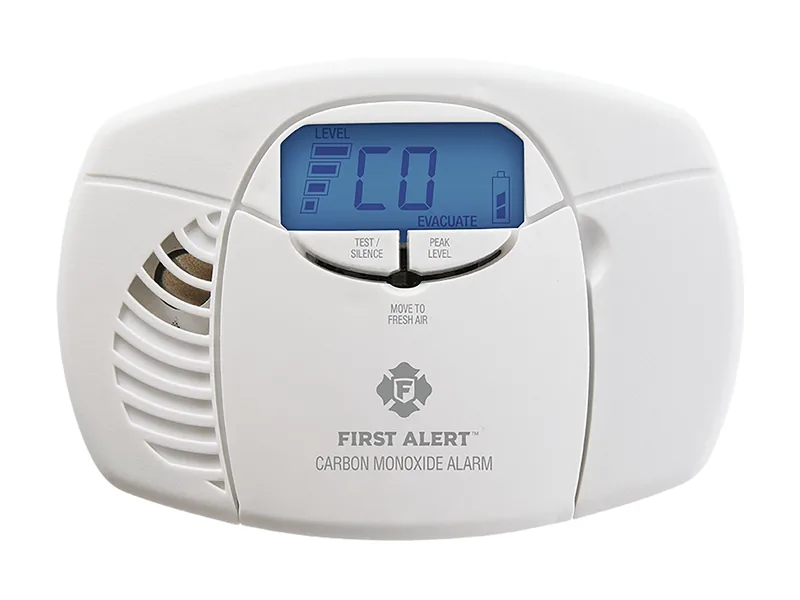
Best for: Extra CO coverage on AA batteries.
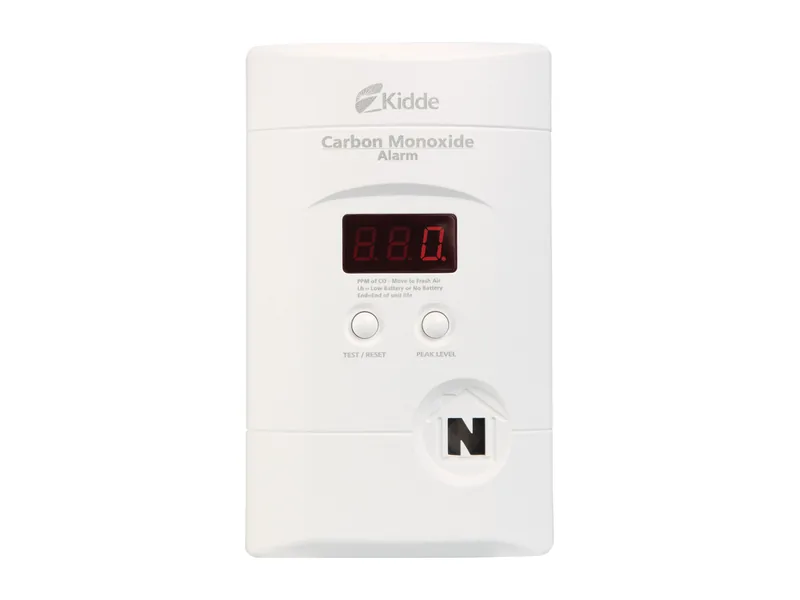
Best for: Plug-in CO coverage with battery backup.
NFPA smoke: every bedroom, outside sleeping areas and every level. NFPA CO: outside sleeping areas and every level.
Smoke = B+S+L · CO = S+L
Example: two levels, three bedrooms and one sleeping area give six smoke and three CO points. Where three positions coincide and manuals permit, use three combos plus three smoke alarms.
Mark positions, merge permitted overlaps and subtract working alarms. Check manuals for placement near fuel-burning appliances or an attached garage; no fixed extra count is added. Follow local requirements.
Print with your browser’s Print command. Checkmarks are not saved.
Placement: NFPA smoke / NFPA CO. Battery backup and replacement: CPSC winter guidance. Check the manufacturer's instructions for your model.
NFPA recommends interconnected smoke alarms. Cover every required position with compatible units; have a qualified electrician check hardwired installations.
Best for: Battery-powered homes where compatible alarms sound together.
Skip if: You need to join a hardwired system.
Best for: One room or a small apartment needing an independent alarm.
Skip if: Your installation requires interconnected alarms.
Best for: Existing compatible hardwired or Nest Protect homes.
Skip if: You need a battery-only installation.
Best for: Extra CO coverage on AA batteries.
Skip if: This position also needs smoke detection.
Best for: Plug-in CO coverage with battery backup.
Skip if: You need smoke sensing or interconnection.
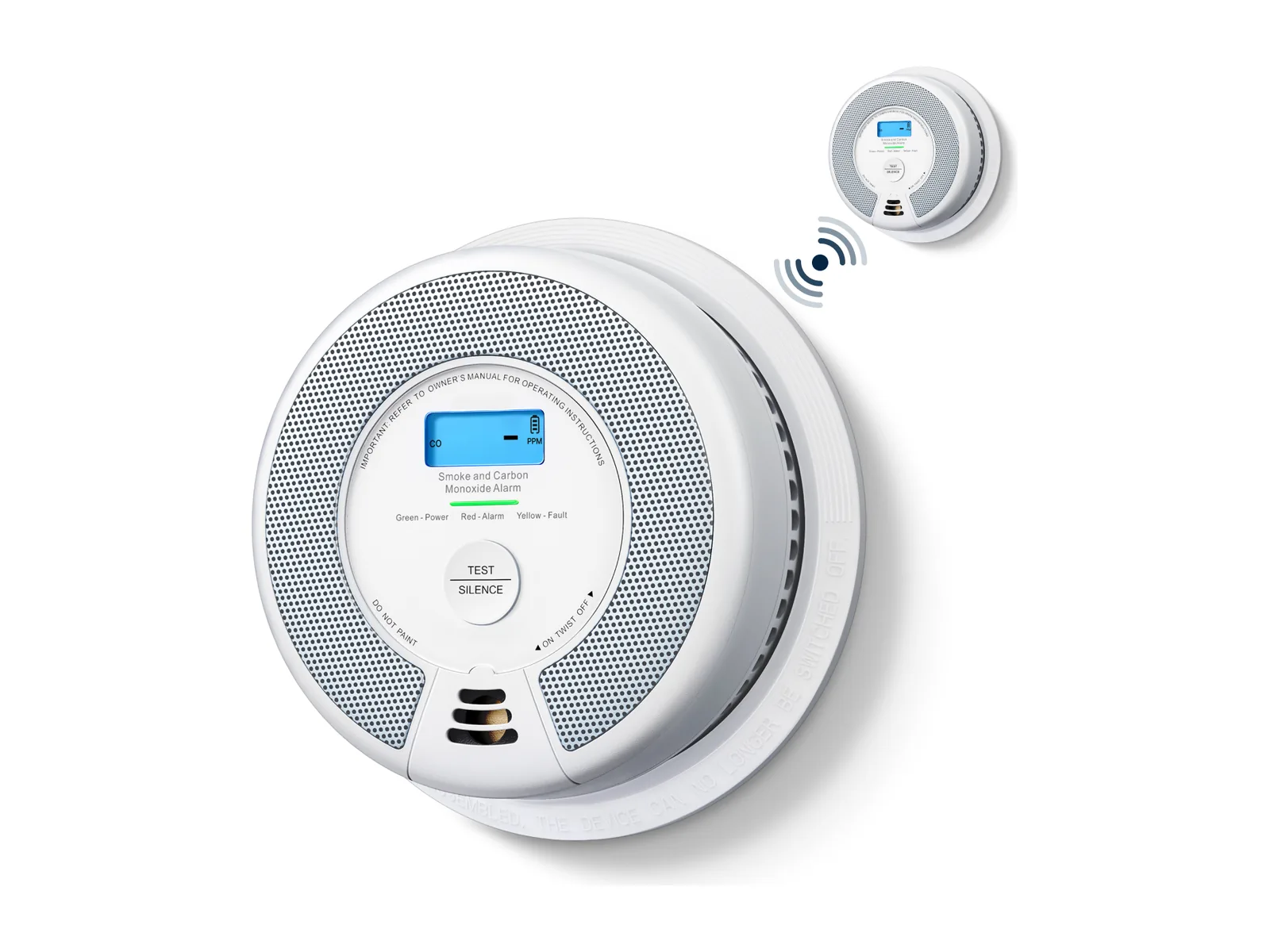
X-Sense SC07-W and SC07: photoelectric smoke and electrochemical CO sensing. X-Sense lists ETL/UL 217; the verified Amazon listings specify UL 2034. SC07-W links up to 18 compatible X-Sense wireless alarms by radio; SC07 is standalone, without interconnection, Wi-Fi or a base. Neither has Wi-Fi or an app. Check manufacture and replacement dates.
First Alert SC5 (SMCO600NV-AC): works with and replaces Nest Protect and interconnects with compatible alarms. First Alert states conformity to UL 217 10th Edition. Uses the First Alert app.
First Alert CO410: electrochemical CO sensing and an end-of-life warning. Its two AA batteries operate without grid power.
Kidde KN-COPP-3: electrochemical CO sensing, a display updated every 15 seconds and peak memory. Kidde lists KN-COP-DP-10YL as the successor; confirm the model at checkout.
Specifications checked Oct 16, 2026; official sources are linked above.
CPSC recommends battery-powered alarms or working battery backup.
| Type / example | During the outage | Check first |
|---|---|---|
| Sealed battery / SC07-W, SC07 | Battery-powered detection. SC07-W radio links work without Wi-Fi. | Test, check replacement dates and pairing. Ten years is the rated service life. |
| AA batteries / CO410 | Runs from its two AA batteries. | Batteries, monthly test and end-of-life instructions. |
| Hardwired + backup / SC5 | Battery backup supplies the alarm. | Backup and compatible interconnection in the manual. |
| Plug-in + backup / KN-COPP-3 | Switches to its 9 V backup; no interconnection. | Backup battery installed and maintained. |
| Wi-Fi app notifications | Depend on working Wi-Fi and internet, separately from local detection. | The model’s app/manual and your network’s power supply. |
CPSC says to keep space heaters at least three feet from combustible materials, plug directly into a wall outlet and turn them off before sleeping. Never use an extension cord or power strip. Follow those rules even with automatic shutoff.
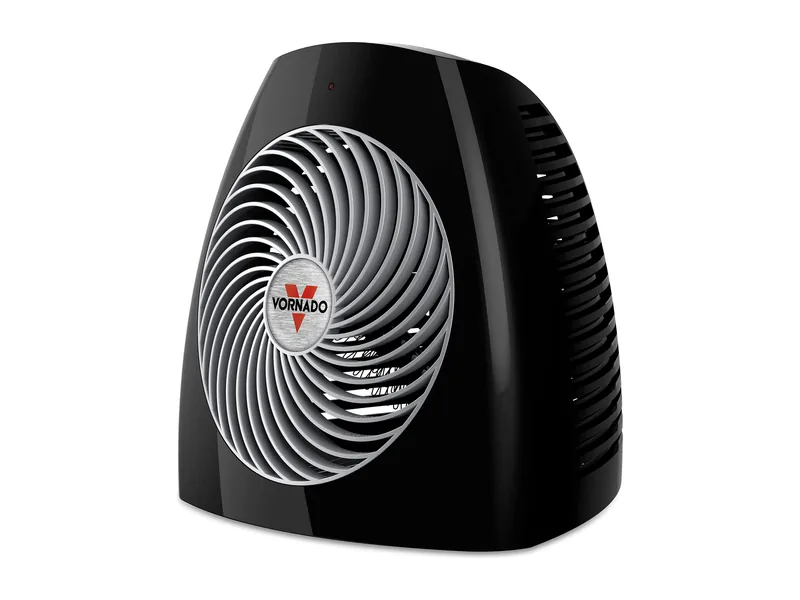
Best for: Wall-outlet heat while awake, with grid power.
Skip if: You need an outage or overnight heating plan.
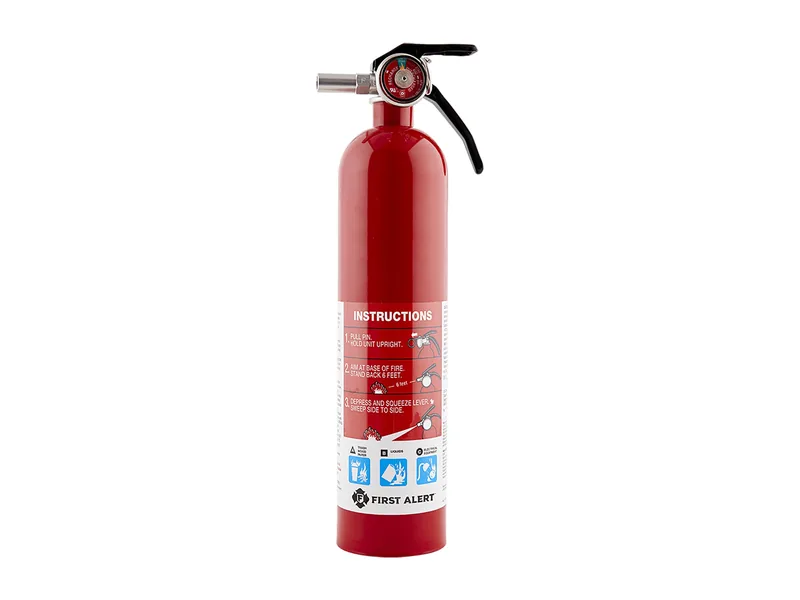
Best for: Home fire plans needing this rating.
Skip if: You need protection for large-volume cooking grease.
The MVH has three settings and a mechanical thermostat. The HOME1 (FE1A10GR) rating covers wood, paper, fabric, flammable liquids and energized electrical equipment; have a certified professional recharge it. Use the alarm response steps when an alarm sounds.
Use dry layers and blankets, gather supplies in one room, and plan a reachable heated destination if staying home is unsafe. Follow NWS cold guidance and Ready.gov outage guidance. Use the winter outage checklist, 72-hour kit and power-outage kit.
Generators: outside, at least 20 feet from home, exhaust directed away, per CPSC. Never use one in a house, garage or basement; open doors and windows do not provide enough ventilation. Compare generators and power stations before choosing.
CPSC recommends flashlights instead of candles. Reserve battery power for light, phones and radios, never resistive heaters: their high draw drains stored energy. Size loads using the power-station guide.
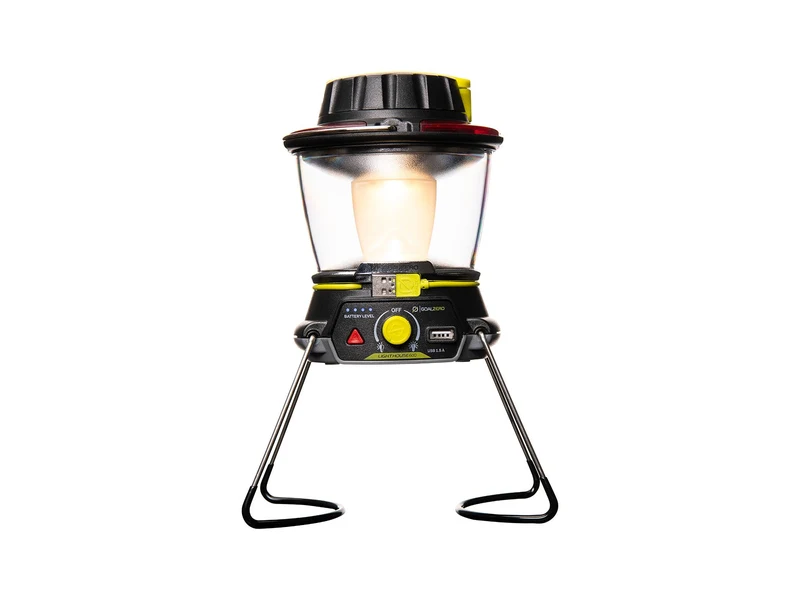
Best for: Shared light with a charging plan.
Skip if: Working lights already cover the room.
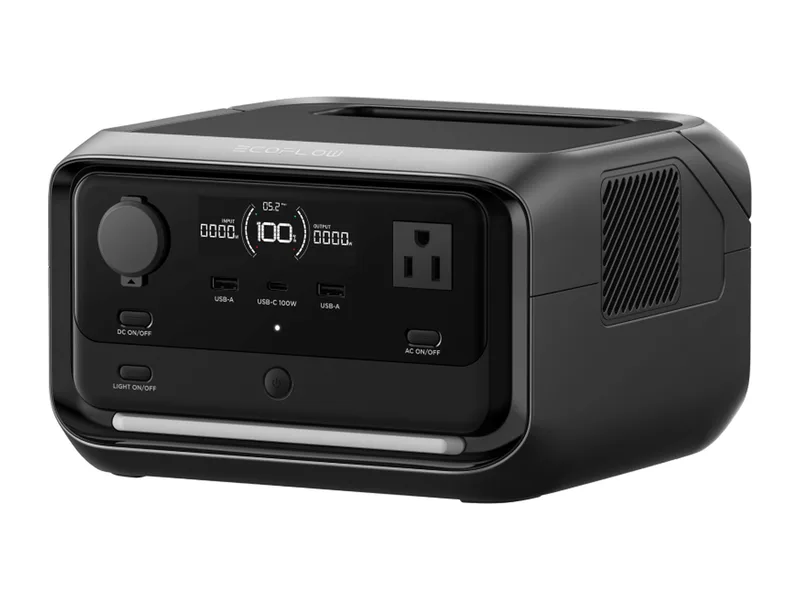
Best for: Compact light, phone and radio backup.
Skip if: You need to run a resistive heater.
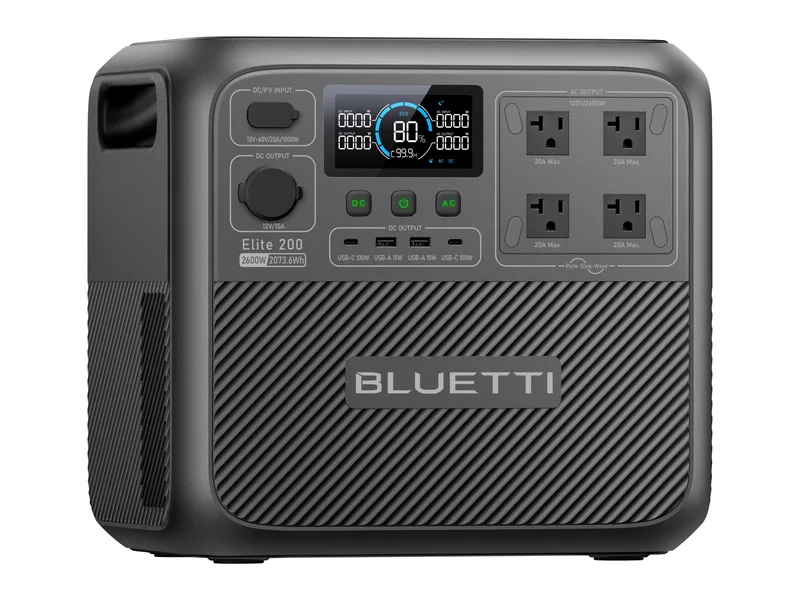
Best for: Larger light, phone and radio reserves.
Skip if: A smaller reserve suffices or carrying it is impractical.
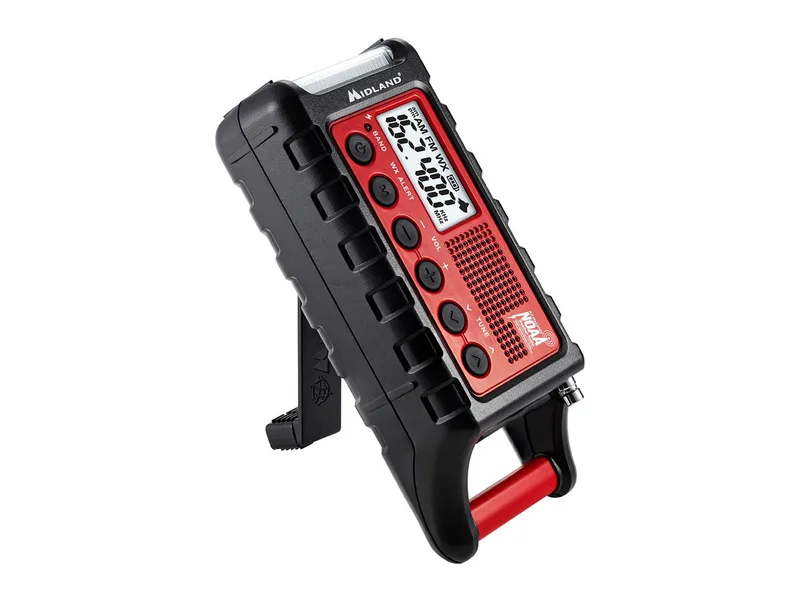
Best for: Receiving weather information during an outage.
Skip if: You already have a working receiver.
Compare lanterns and headlamps and emergency radios. Compare remaining supply gaps with My Patriot Supply’s Winter Prep collection.
Smoke: get out and stay out. Follow USFA guidance and your escape plan.
CO: move to fresh air, account for everyone and call for help from outside. Wait for emergency responders, following NFPA guidance.
X-Sense label check: its notice says some older SC07/SC07-W distributor units used UL 217 6th Edition, superseded by 9th Edition on June 30, 2024. X-Sense says there is no safety risk and offers a free upgrade for purchases from June 30, 2024 through Dec 31, 2025. It lists current SC07/SC07-W models under 9th Edition. Check your unit’s label and the upgrade window.
Match the installation and interconnection system. Battery units work without mains power; hardwired units need backup. NFPA calls for a qualified electrician for hardwired installation.
Use combos at positions allowed by their manual. Cover bedrooms with smoke alarms; put CO alarms outside sleeping areas and on every level. Follow NFPA smoke and CO rules to plan the positions.
Follow its mounting instructions. NFPA calls for CO alarms outside sleeping areas and on every level; the model’s manual determines mounting height.
Battery units operate independently; hardwired and plug-in models need backup. CPSC recommends battery power or backup. App alerts need Wi-Fi and internet.
CPSC says to turn it off before sleeping, including models with tip-over protection and automatic shutoff.
Safety guidance and manufacturer specifications checked Oct 16, 2026. Each equipment row links to its official specifications. We compared power, backup and interconnection from published specifications; we have not lab-tested these products.
