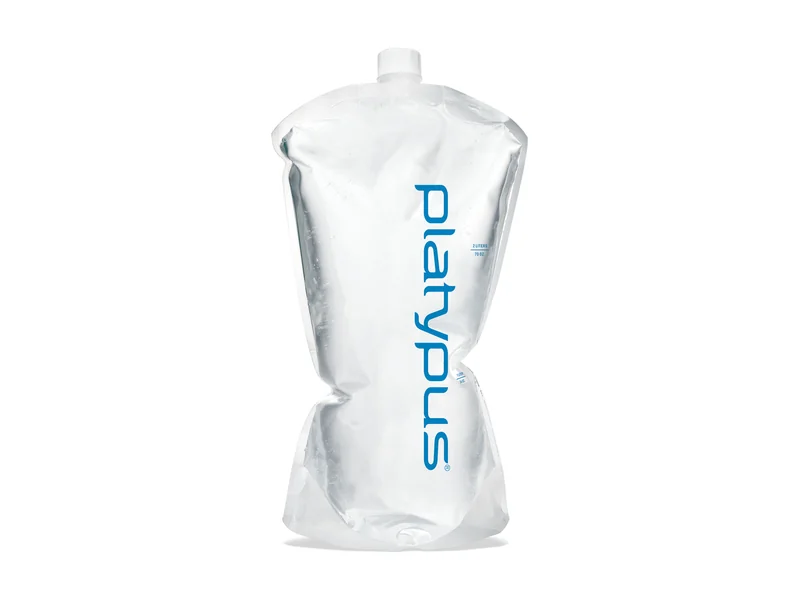
Platypus Platy 2-Liter Collapsible Water Bottle
Carry safe water in a collapsible container. Check the closure, cleaning directions and fit; count only the water you actually fill.

Keep water, food, light and personal essentials reachable in your car, with a manageable bag ready to take with you. Use three storage zones for a delay, a breakdown or an instructed evacuation, then add weather-specific supplies.
We may earn a commission when you buy through our links. As an Amazon Associate I earn from qualifying purchases. Affiliate disclosure
Plan one day as an inventory starting point, then extend for your route and needs; it is no promise of coverage or rescue time. Count transferred supplies once.
| Zone | Per person | Shared by the vehicle |
|---|---|---|
| Cabin | 1 filled bottle, 2 snacks, 1 personal light; 1 cable per phone | 1 compatible car charger; paper contacts |
| Trunk | Remainder of planned water and food; 1 blanket or bedding layer | 1 first-aid pouch, 1 lantern if needed, roadside tool set and visibility equipment |
| Carry bag | Transfer bottle, snacks and light; 1 sock pair, 1 clothing layer, personal hygiene and care information | 1 charged power bank sized to actual use; cables, route and documents assigned to a carrier |
Water planning: people × planned days × at least 1 gallon = baseline across all zones. Add for heat, pets and individual needs. That is a total-supply baseline, not a target to force into one person's bag.
15 items · tick them off as you pack. Checkmarks are not saved or sent, so print your list before you leave the page.
Carry safe water in a collapsible container. Check the closure, cleaning directions and fit; count only the water you actually fill.
Pack safe water first. Add one filter only for a suitable source on your route and follow its treatment limits; neither option makes roadside runoff or chemically contaminated water safe.
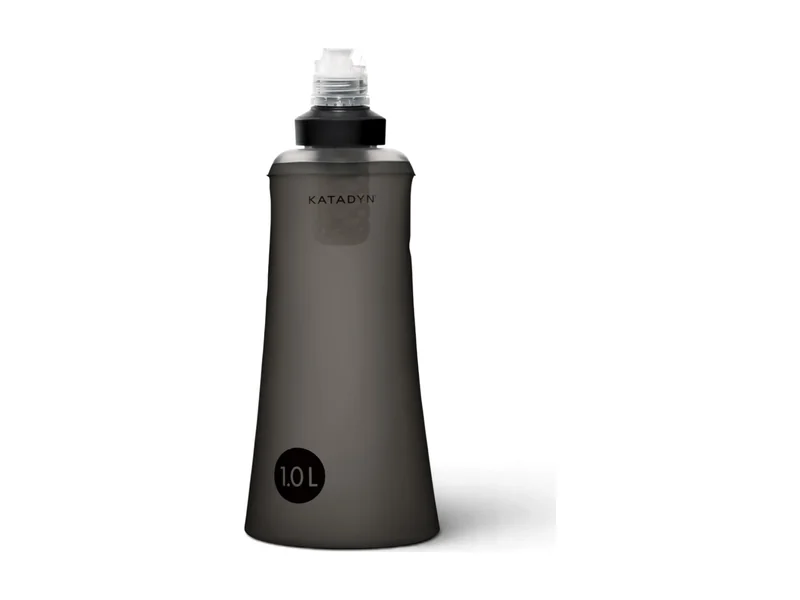
Filter-bottle option for a planned water source. Check treatment limits and maintenance directions before choosing it.
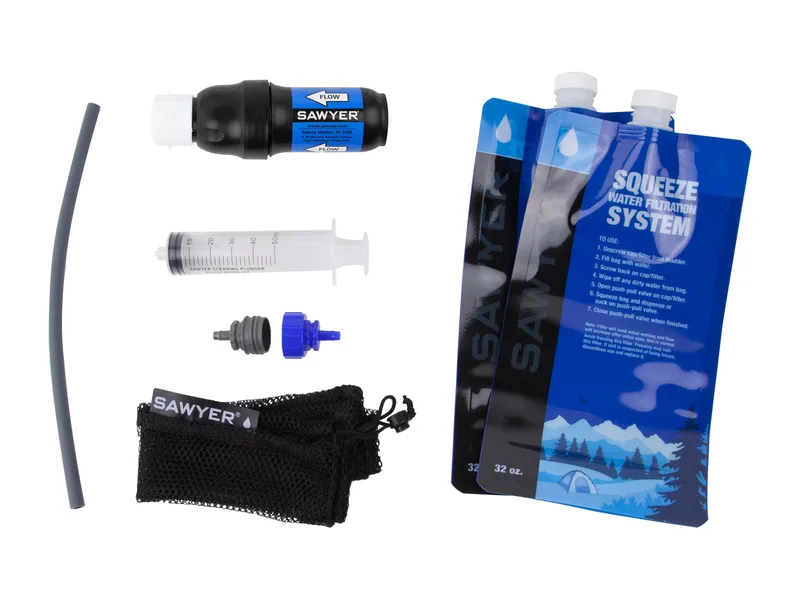
Alternative filter format for your water-source plan. Check kit contents, setup and clean-water handling before packing.
Compare prepacked food and supplies with the gaps on your list. Check current contents, portions, preparation water and storage limits for each bundle.
Give each person one light and each phone a compatible cable. Keep one compatible car charger and one charged power bank for the party; size the bank to measured essential use with your own devices. Check storage temperatures and take it with you when parked conditions are unsuitable. The car charger needs vehicle power; phone service depends on network availability.
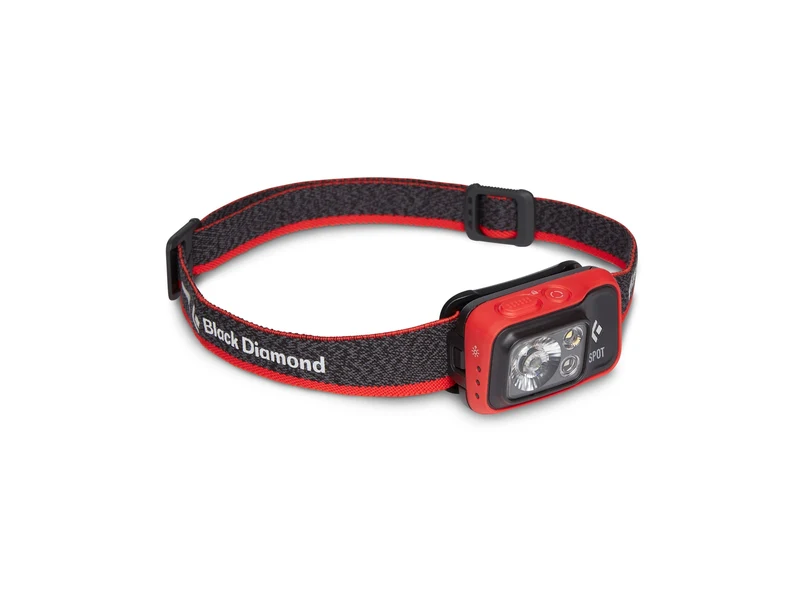
Keep a hands-free personal light reachable, then move it into the carry bag when leaving. Check controls and compatible power before travel.
For stationary tasks, choose one shared lantern around space and power needs, or use your personal lights if they cover the job.
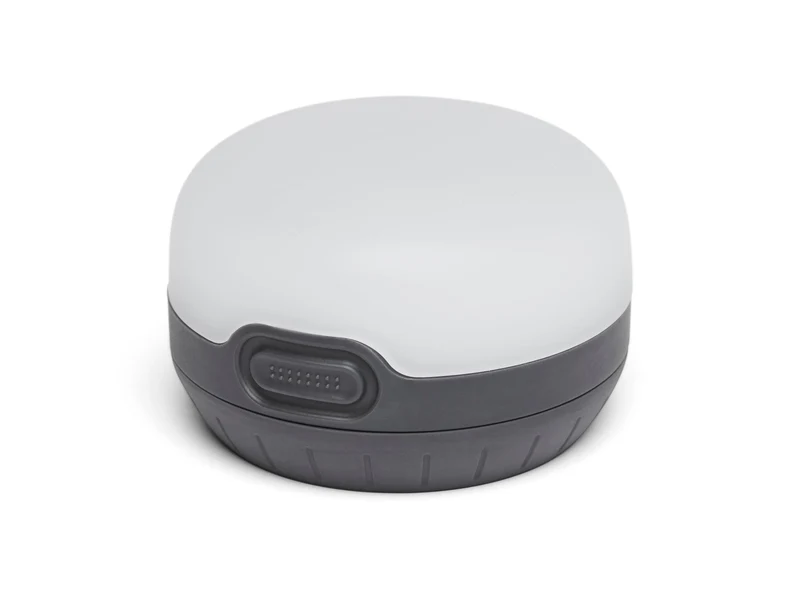
Shared light for stationary tasks. Check the exact model's battery configuration and secure it with shared supplies.
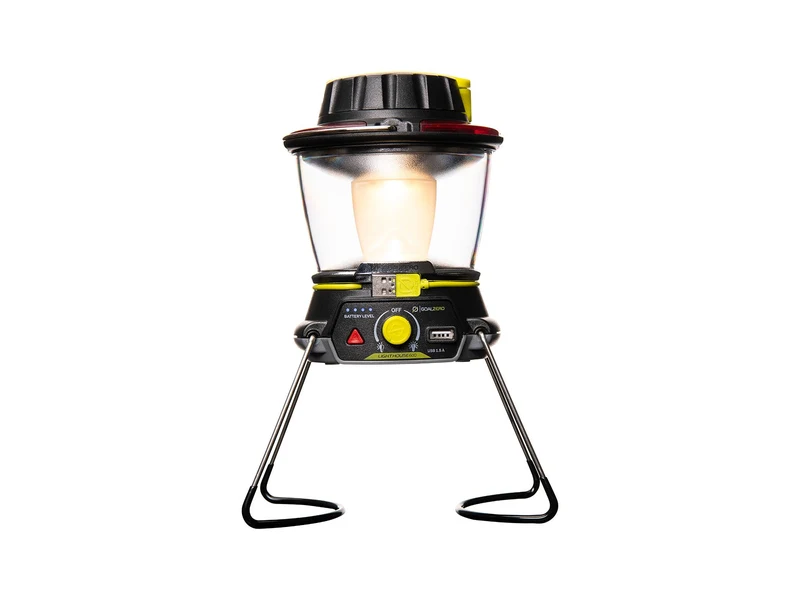
Alternative shared lantern when its size and charging needs fit. Allocate battery energy between lighting and phones using measured use.
Maintain one shared first-aid pouch and each occupant’s care information. Use the household first-aid checklist to inventory contents, expiration dates and training needs.
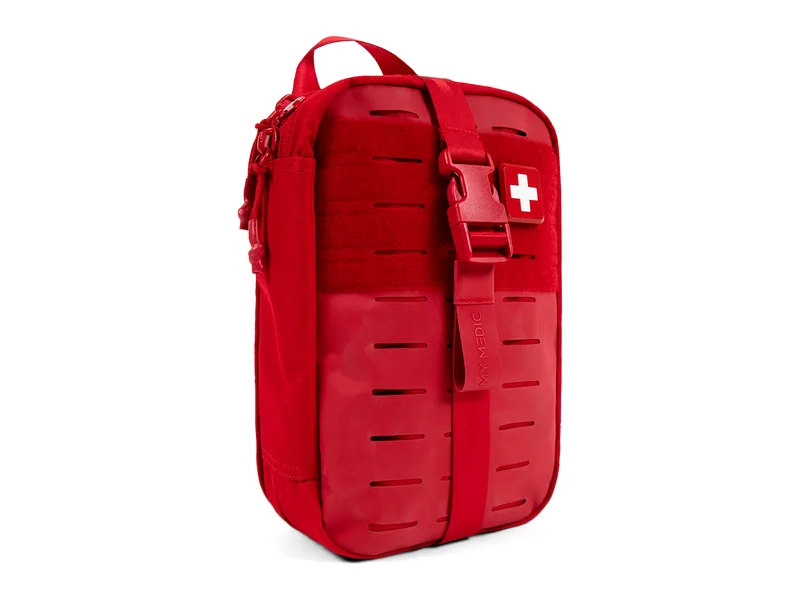
Organize shared first-aid supplies in a pouch. Compare the exact variant and contents with what you maintain; training remains a separate task.
Keep paper contacts and roadside-assistance details in the cabin. An optional receiver adds available broadcasts; use a working phone to call for help or send your location.
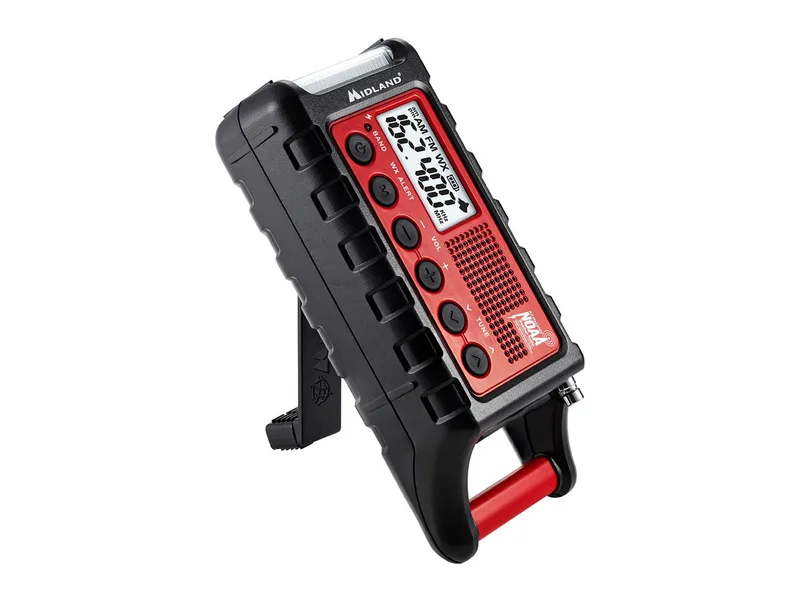
Optional weather receiver for shared alerts. Check local reception, controls and the power plan; crank charging still takes effort and time.
Follow medicine and health-supply storage directions. Ask your care professional about continuity needs and carry temperature-sensitive items with you.
Follow each item’s storage limits. Carry temperature-sensitive items with you and bring suitable food and water for the trip. Seasonal checks cannot reverse heat damage.
The go-bag is the portable part of the year-round three-zone plan. Add winter equipment for conditions, counting each bottle and battery once.
No. Filters and lanterns are alternatives; the radio is optional. Keep suitable equipment you own and buy only for a missing task.
Updated Oct 16, 2026: Added a printable three-zone packing list, quantities per person, clearer category lists and a seasonal carry check.
Image credits: Platypus Platy 2-Liter Collapsible Water Bottle — Platypus / Cascade Designs · Katadyn BeFree 1L Collapsible Water Filter Bottle — Katadyn · Sawyer Squeeze Water Filtration System (SP129) — Sawyer · Black Diamond Spot 400 Headlamp — Black Diamond · Black Diamond Moji Lantern — Black Diamond · Goal Zero Lighthouse 600 Lantern & USB Power Hub — Goal Zero · Midland ER310 Emergency Crank Weather Radio — Midland · My Medic MyFAK Standard First Aid Kit — My Medic.
